 Rovelanto
Comparing grip backings for pet beds
Create a repeatable sample comparison for backing movement, floor contact and care without relying on a universal non-slip claim.
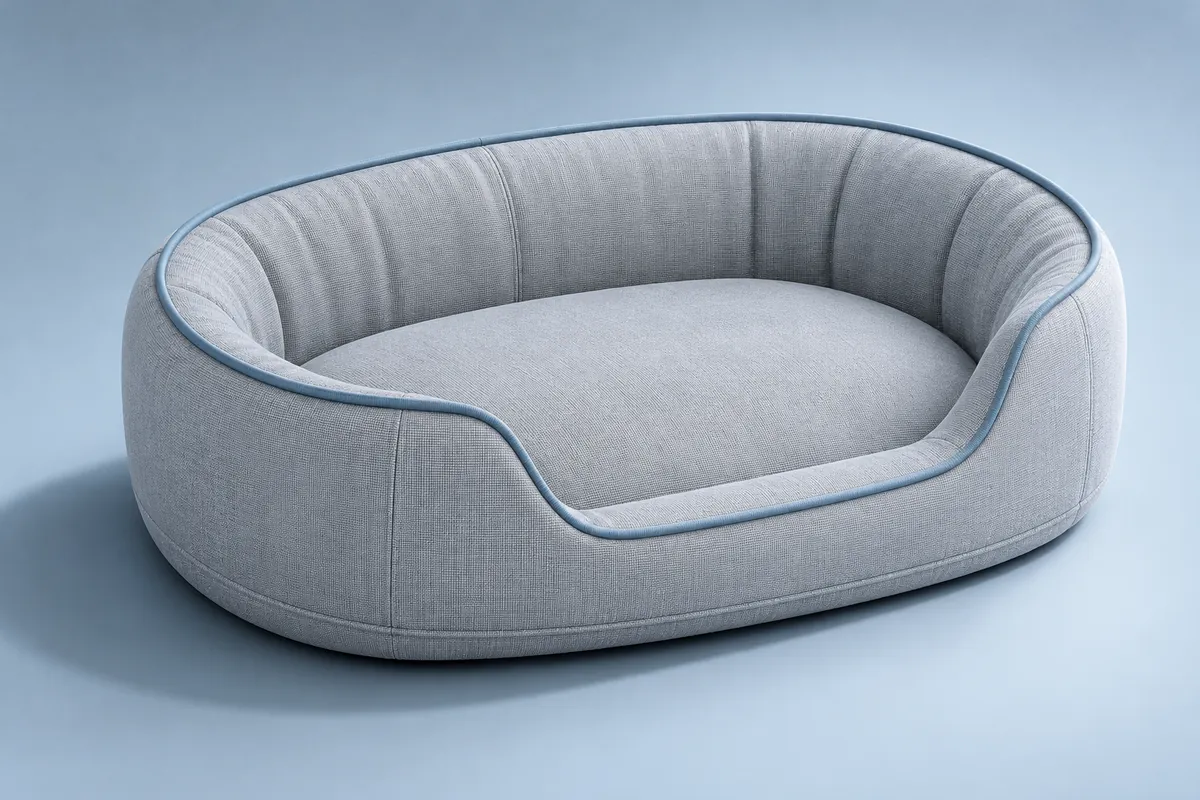 Illustrative collection concept
Compare complete beds on named surfaces under the same conditions and tie the result to the backing and construction used.
Define the surface and the action
A buyer asking for a non-slip base may want the bed to move less on a smooth floor, a pad to stay aligned in a crate or a cover that lifts without dragging. Choose the first decision you need to make and define the surface and action accordingly. Record the surface material and finish, its condition before the check and whether the sample was tested clean and dry. Comparing two backings on different surfaces will not resolve the question.
Agree what an acceptable result looks like before requesting a demonstration. A shortlist can use relative movement under a repeatable action. A public performance claim would need its own evidence and scope.
Keep the construction comparable
Request samples with the same bed dimensions, insert and stitching wherever practical. Ask the supplier to describe each backing, including the fabric base, grip pattern and any change in thickness. Label the samples so reviewers can identify them after care. Lay each sample flat in the same position and repeat the same placement and movement sequence. A buyer screening check can record travel distance from a starting mark under an agreed pull, or use an agreed fixture when greater repeatability is needed. Report the method with the result rather than treating the distance as a standard rating.
| Variable | Keep fixed or record |
|---|---|
| Contact area | Bed footprint, insert and underside orientation |
| Surface | Named finish, cleanliness and condition |
| Movement check | Starting mark, direction and repeated action |
| After care | Same checks after the proposed care procedure |
Look for problems besides movement
A base that moves less in one demonstration may still be unsuitable if the edge curls, the bed feels too stiff or the grip pattern changes after the planned wash. Check both the underside and the surface it contacted. Photograph any observed transfer, marks, tackiness or changes in pattern. Confirm who will review surface compatibility and under what conditions. If the package includes a note about floor finishes, align it with the surfaces actually assessed and with the final material choice.
Write an evidence note the team can reuse
Imagine two identical crate pads with different grip patterns. Both meet the initial movement criterion on a selected tray, but only one stays flat after the proposed cleaning process. Keep the rejected sample record rather than recording only that the winner was approved. That history will help the team spot a proposed backing substitution later. Attach the approved sample ID, surface notes and care record to the purchase specification. If a supplier changes backing fabric or sewing construction, rerun the comparisons affected by that change. Keep the revised approval connected to the actual order so the buyer can identify which version customers received.
General product-development guidance. Confirm the selected construction, test scope and destination-market requirements for your project.
Editorial policy