 Rovelanto
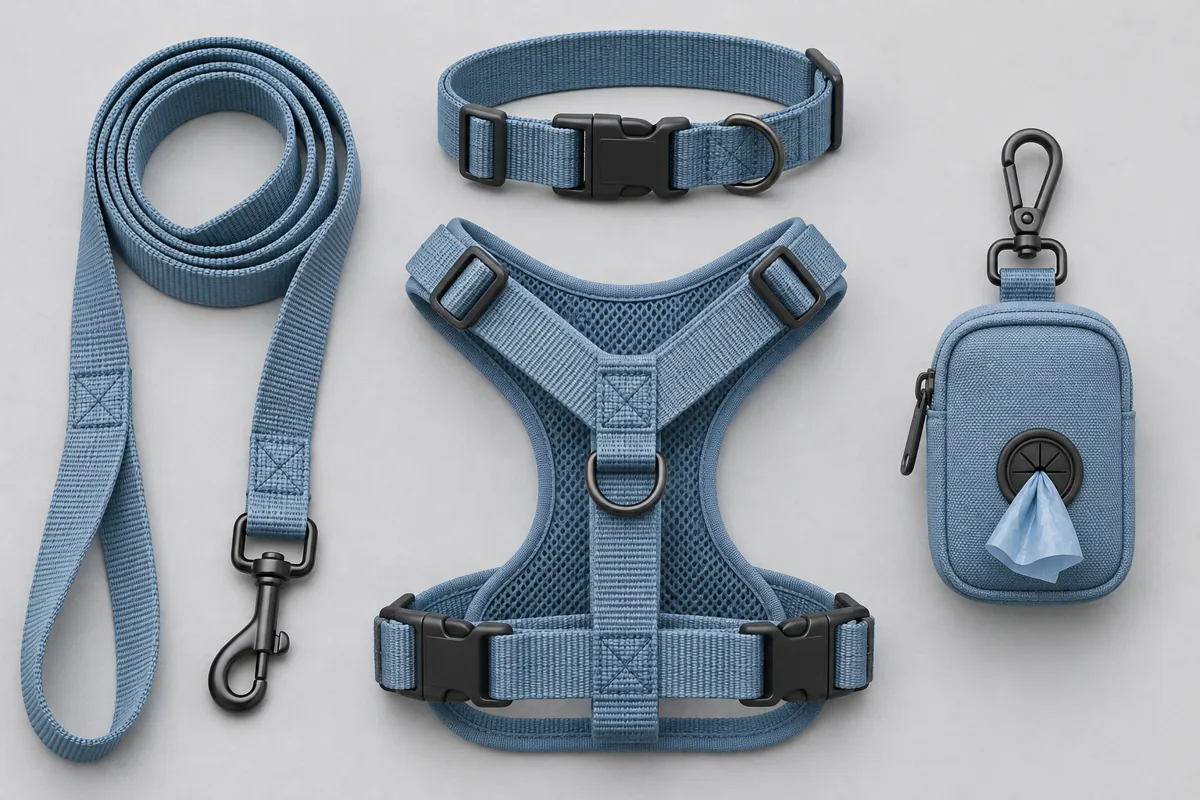
How to approve a dog leash sample
A buyer checklist for dog leash length, handles, clips, stitching, wear and packaging before approving a private-label sample.
Read the guideBuild a brief, compare samples and prepare for production with practical guidance for pet brands and sourcing teams.
A buyer checklist for dog leash length, handles, clips, stitching, wear and packaging before approving a private-label sample.
Read the guideA buyer checklist for dog leash length, handles, clips, stitching, wear and packaging before approving a private-label sample.
Read the guide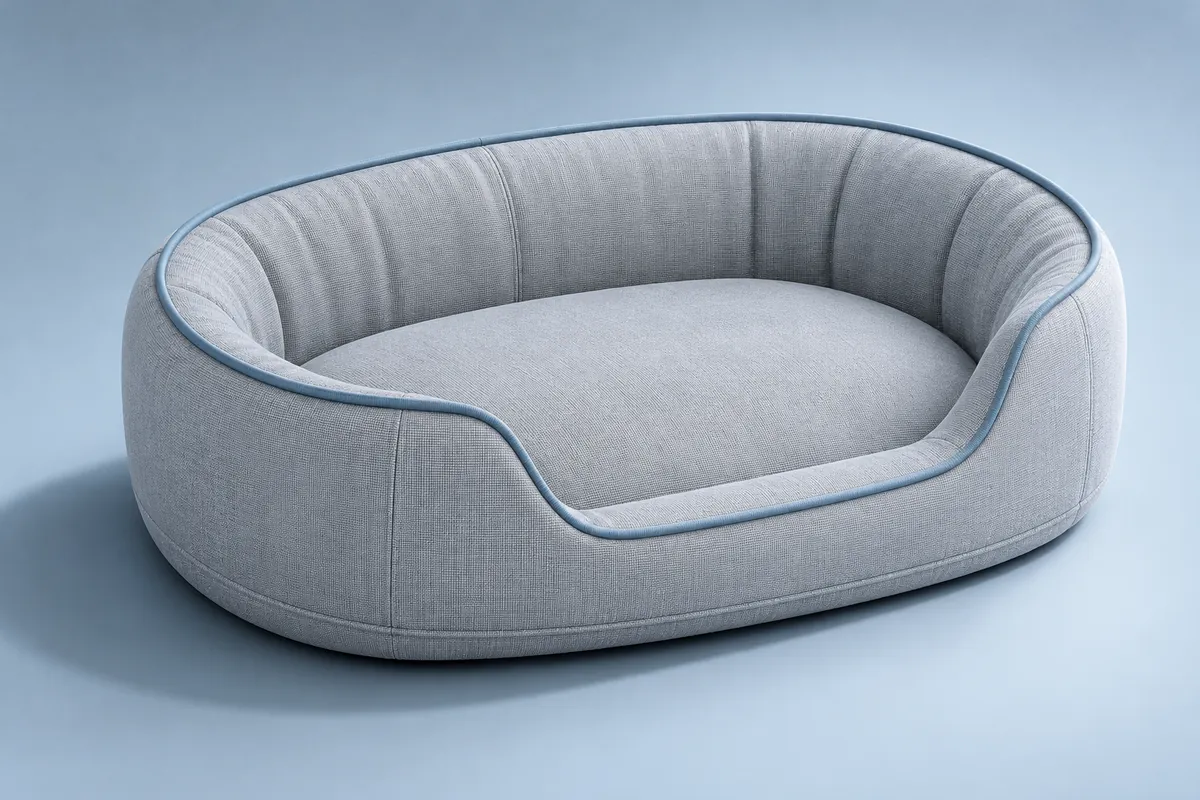
Check dimensional change, closure alignment and refitting before approving care instructions for a removable pet-bed cover.
Read the guidePlan cover-only SKUs, compatibility markings and reorder records that help retailers sell the right replacement cover.
Read the guideCreate a repeatable sample comparison for backing movement, floor contact and care without relying on a universal non-slip claim.
Read the guide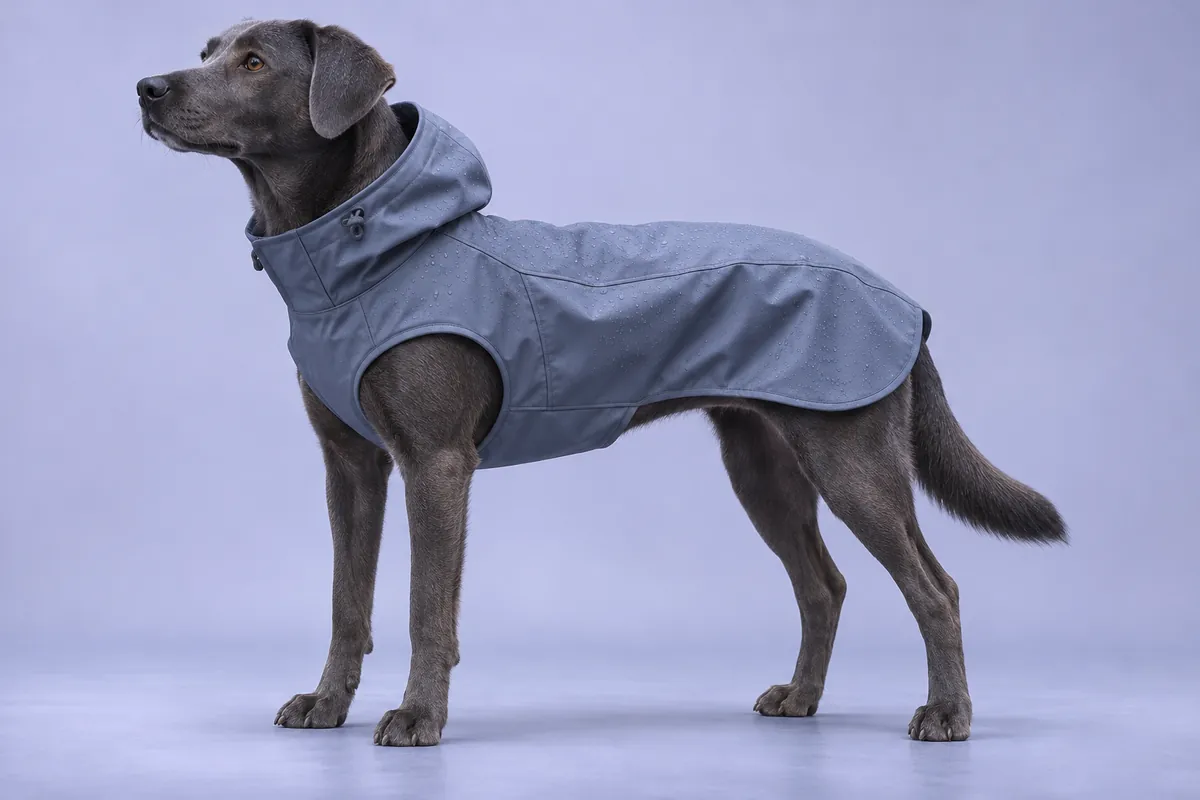
Compare fleece appearance at contact areas using matched samples, repeatable photos and recorded handling and care checks.
Read the guideTest opening location, usable clearance and garment movement with the harness configurations your dog-coat range is intended to accommodate.
Read the guideCompare print, embroidery and sewn labels on finished garments and check appearance and handling after the planned care process.
Read the guideAlign quote scope, order mix, packing assumptions and one-time charges before comparing first-order and repeat-order costs.
Read the guideSet physical colour references, review mixed materials together and carry the approved result into production records.
Read the guide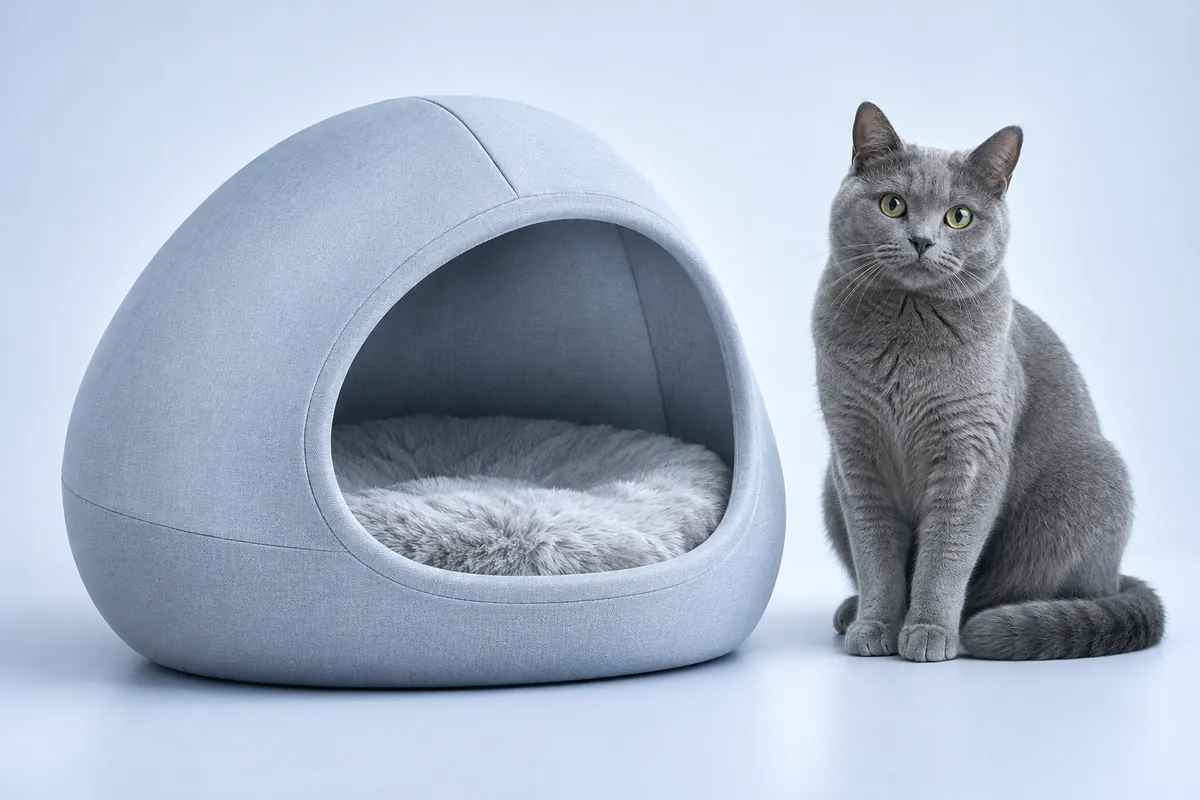
Build a replacement insert program around measured fit, revision control, clear compatibility, and a serviceable retail listing.
Read the guideCompare packing formats for foam pet steps using an unboxing review, a defined recovery interval, and evidence tied to the packed sample.
Read the guide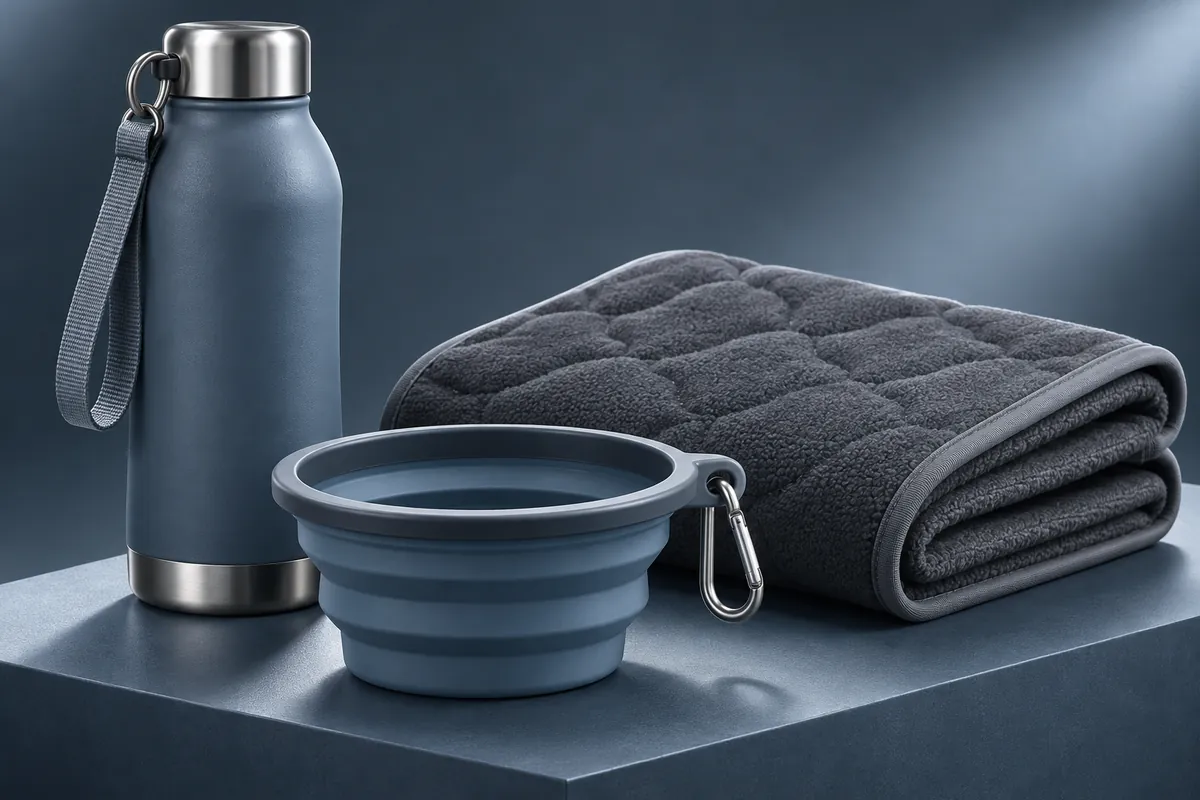
Approve a folding pet bowl by checking the rim, opening sequence, base, usable fill line, and the exact parts used in each color.
Read the guideUse packed carton dimensions, units per carton, and channel fees to compare a boxed travel kit with separate retail accessories.
Read the guide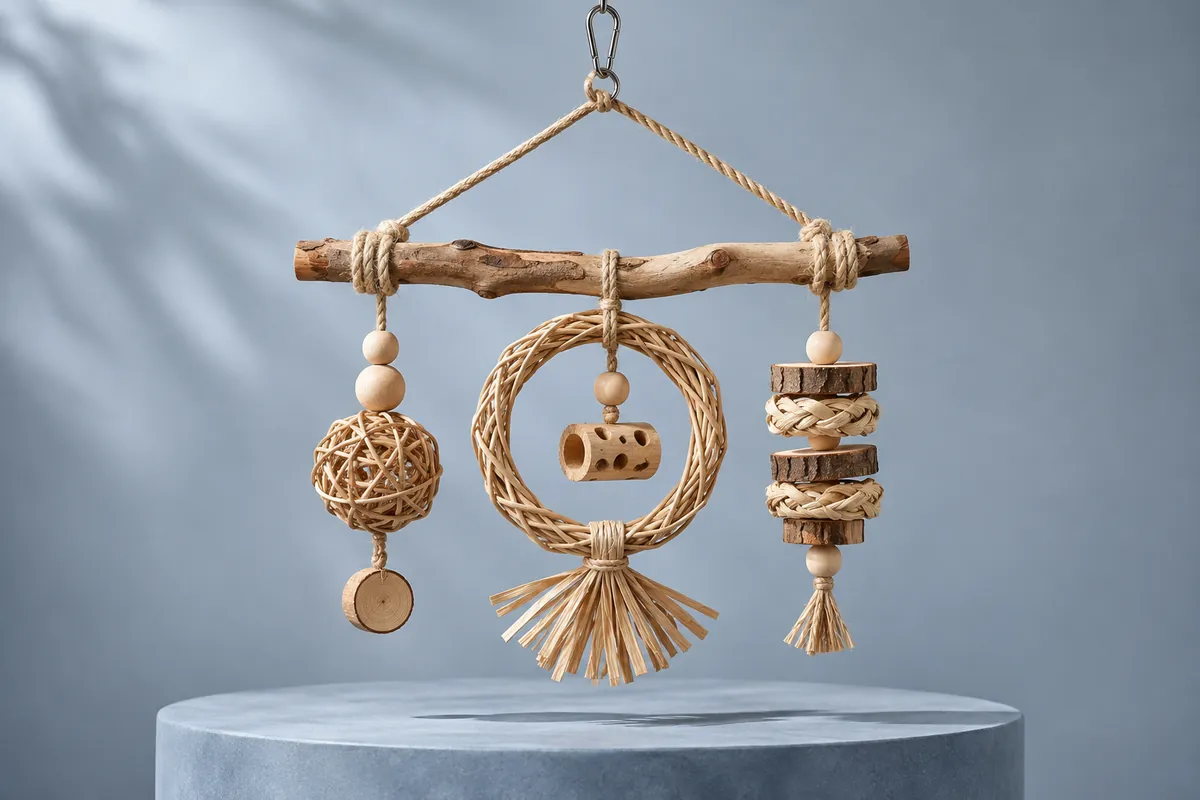
Review the perch fixing, enclosure interface, and installation evidence before naming compatible enclosures in a retail listing.
Read the guideGive bird enrichment components traceable identities, record substitutions before release, and check that the finished pack matches the approved revision.
Read the guide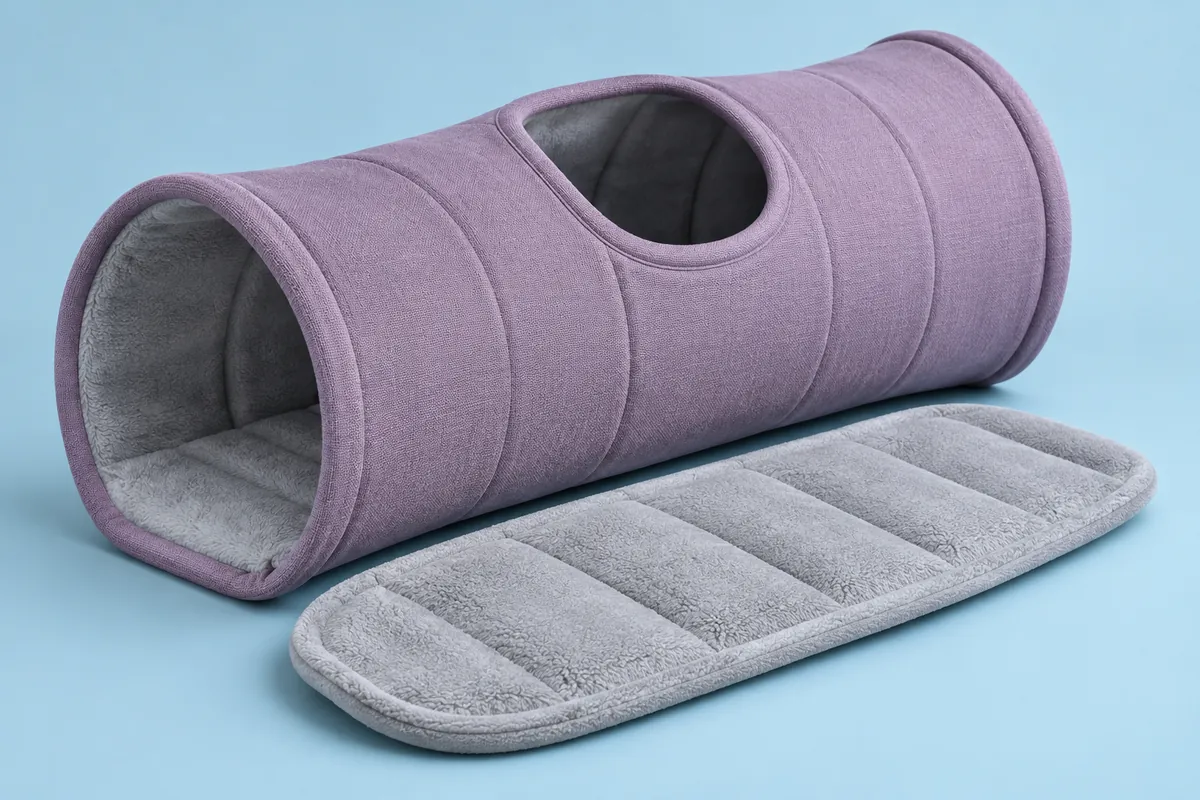
Reduce ambiguous fit descriptions by publishing outside dimensions, clear opening measurements, and the intended installed orientation.
Read the guideCompare liner samples after agreed wash cycles, tracking length, width, edge curl, layer movement, and fit in the actual enclosure.
Read the guideCompare three pet-product development routes by design ownership, sample work, customization and approval responsibility.
Read the guideA practical product-brief structure for comparable quotes, with quantity, materials, packaging and sample approval questions.
Read the guideDefine measurement points, fit samples and grading rules before a private-label dog clothing range reaches production.
Read the guideEvaluate the complete raincoat construction, including coated fabric, seams, closures and movement, before approving a sample.
Read the guideCompare fiberfill, foam inserts, zipper access and care instructions when developing a washable private-label pet bed.
Read the guideUse internal dimensions, corner shape, quilt layout and wash tolerance to develop a useful crate-pad size assortment.
Read the guideReview packing recovery, retail presentation and measured carton data before choosing vacuum compression for pet beds.
Read the guideCompare panels, support channels, cleaning access and pack-down behavior for fabric cat caves, tunnels and soft steps.
Read the guideBuild a travel accessory assortment around one use case, with separate approvals for textiles, bowls and packaging.
Read the guideDefine the assembly, orientation, handling and acceptance criteria when reviewing a non-electronic pet water bottle.
Read the guideReview wood, rattan, grass, fibers, coatings and hanging hardware as a documented bill of materials for bird enrichment products.
Read the guideDevelop enclosure liners and fabric hideaways around usable dimensions, layer construction, drying and damage inspection.
Read the guideTranslate approved samples into measurable inspection points for materials, construction, function, labels and shipment packing.
Read the guideDefine vehicle fit, openings, attachments and cleaning for a pet seat-protection textile without implying restraint or crash performance.
Read the guideNo matching guides. Try a shorter search or choose a topic above.
These guides explain how to prepare a project and review evidence. See the editorial policy.
Include the product, quantity and destination market.