Rovelanto
How to develop a coordinated pet travel kit
Build a travel accessory assortment around one use case, with separate approvals for textiles, bowls and packaging.
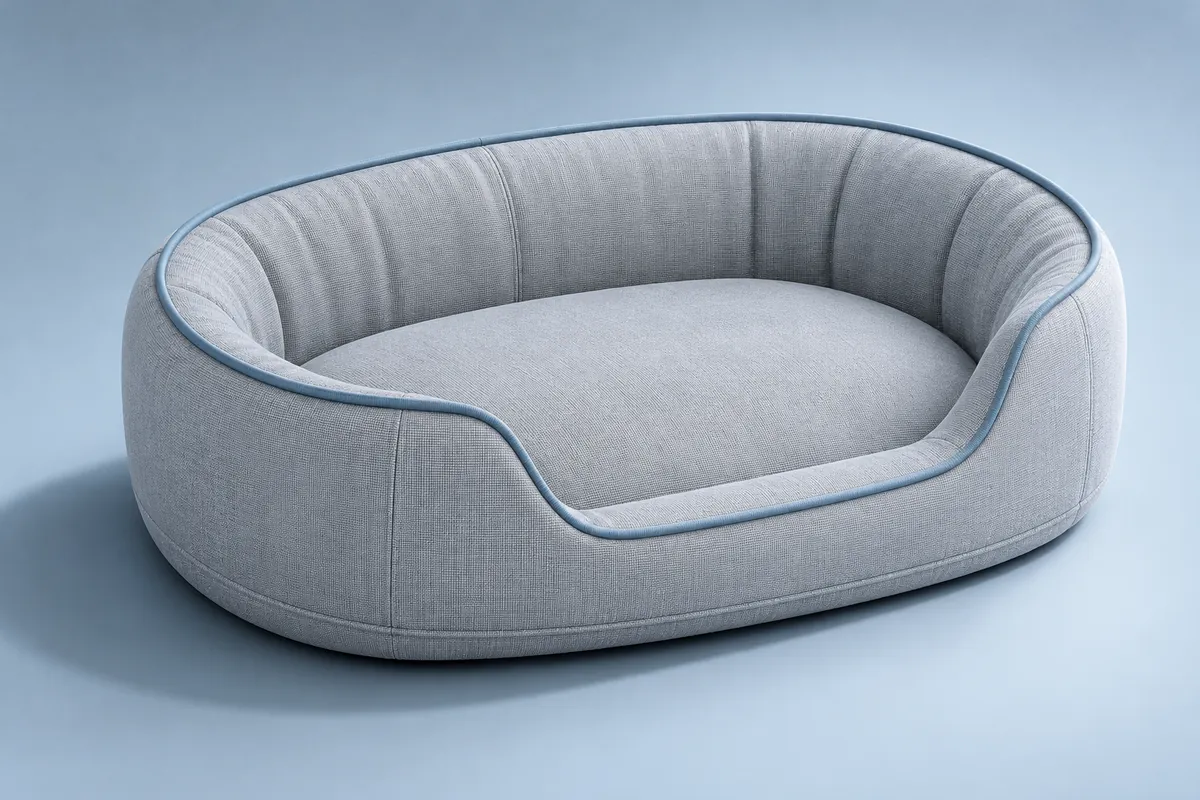
 Illustrative collection concept
One customer journey can unify a kit; every component still needs its own specification and approval.
Start with a specific trip
A daily walking kit, road-trip bundle and portable resting set solve different problems. Map the steps from leaving home to cleaning and storing the accessories. Include only components that support that use case, instead of combining unrelated products because their colors match.
Approve each component before the bundle
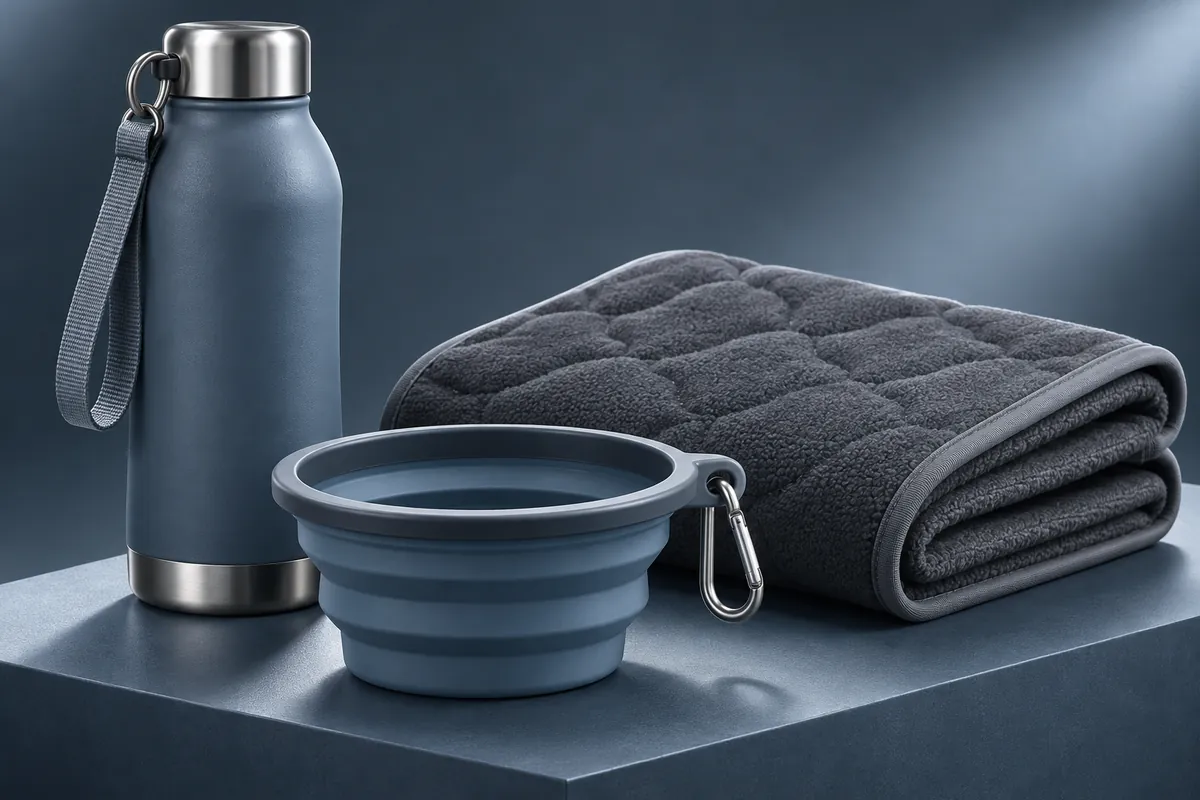
The textile mat, folding bowl and bottle have different materials and approval needs. A kit-level visual review cannot replace component-level checking. Keep each bill of materials, dimensions, care instructions and documentation requirement in the project file.
| Component | Approval focus |
|---|---|
| Resting mat | Open and packed dimensions; care; strap attachment |
| Folding bowl | Material identity; stable base; capacity method |
| Bottle | Seal system; disassembly; leak-test conditions |
| Storage pouch | Wet-use handling; closures; size |
| Retail pack | Component count; barcode; language and instructions |
Check compatibility in actual use
Try fitting the packed accessories into the intended pouch. Consider how wet parts are handled and whether separate storage is needed. Check that clips and straps do not interfere with cleaning or access. A coordinated color palette does not guarantee a coordinated experience.
Plan order splits and replacements
A kit may be constrained by the material or packaging run of one component. Ask for minimums and price assumptions at both component and kit level. Decide whether a single damaged item can be replaced and whether spare parts will be offered.
- State the quantity for every component.
- Assign a kit SKU and component references.
- Confirm pack assembly and final count checks.
- Review instructions and market-specific labels.
Describe the kit with bounded claims
Seat protection is separate from animal restraint. Food-contact materials need the relevant documentation for the selected composition and market. State what the items do and the conditions for use without importing unsupported safety or performance language from a component supplier.
Test the kit after the outing, too
A bowl, bottle and mat may all fit in a pouch when dry and carefully folded. After a short trip, the bowl may be damp, the bottle partly full and the mat folded less neatly. The relevant fit is what a buyer can reasonably expect in use, not just the tidy arrangement used in a catalog photograph.
Set up an example outing with a defined carry method. Unpack the items in the order the buyer expects to use them, then pack them again with the bottle closed and the bowl prepared as the instructions describe. Look for water reaching textiles, closures that need two hands and pieces that are hard to remove when the pouch is full. If the pouch is the weak point, revise the storage layout or change the included components before approving the bundle.
- Set an intended use and packing sequence.
- Retest in the expected post-use condition.
- Keep unit and bundle replacement references distinct.
General product-development guidance. Confirm the selected construction, test scope and destination-market requirements for your project.
Editorial policy