 Rovelanto
Portable pet bottles: a leak-test brief
Define the assembly, orientation, handling and acceptance criteria when reviewing a non-electronic pet water bottle.
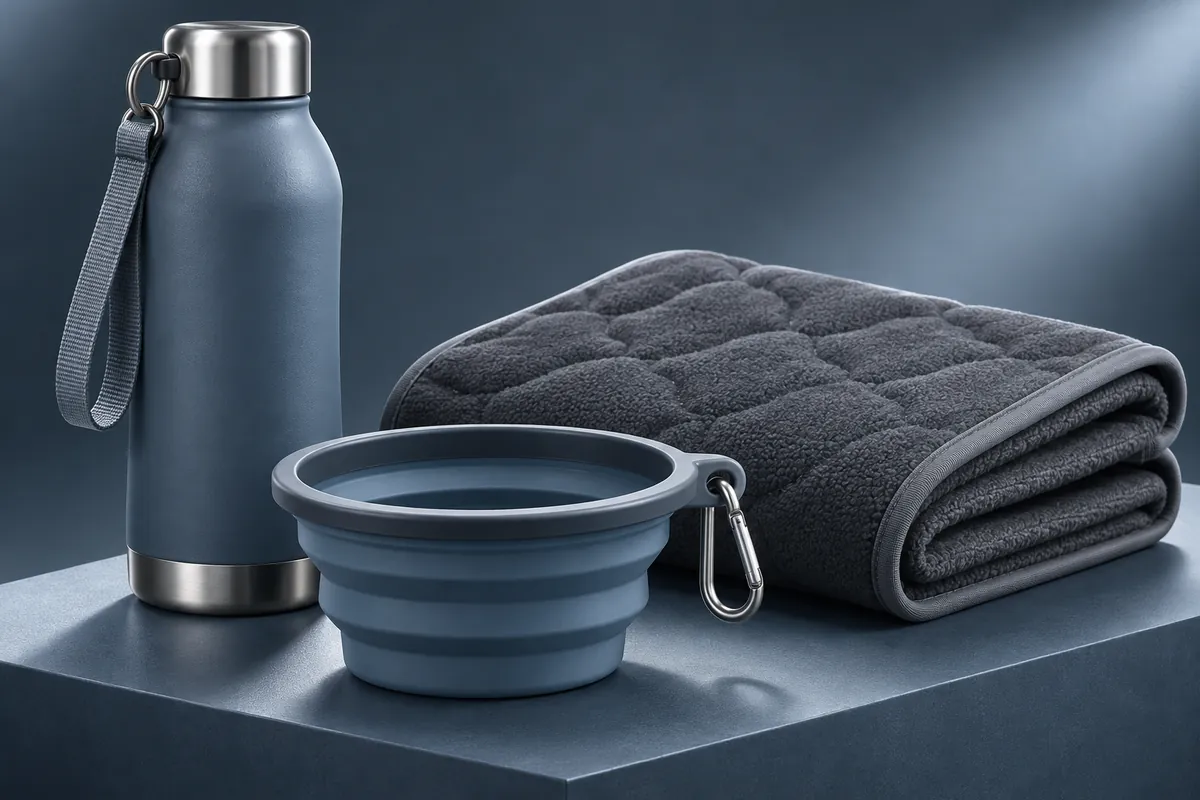 Illustrative collection concept
A useful leak-test result identifies the product, the procedure and the acceptance criteria.
Test an identified assembly
The bottle body, tray, seal and closure form a system. Record the exact components and revision before testing. A change to a seal material or closure geometry can affect performance even when the exterior looks the same. Keep the complete bill of materials in the approval record.
Write the conditions before the result
A statement that a bottle passed a test is difficult to interpret without fill level, orientation, duration and handling conditions. Agree a test procedure appropriate to the intended product and use. Do not use an arbitrary trial as proof of every real-world situation.
| Variable | What to document |
|---|---|
| Fill | Liquid and level used for the trial |
| Assembly | Closure position and seal installation |
| Orientation | Upright, side or inverted conditions selected |
| Handling | Opening cycles or handling sequence |
| Observation | Visible leakage, component movement and defects |
| Acceptance | Agreed pass/fail conditions |
Inspect usability and cleaning
A closure can appear secure yet be easy to misassemble. Ask reviewers to disassemble, clean and reassemble the sample using the intended instructions. Check whether small seals are easy to lose and whether recesses can be accessed for cleaning.
Connect material evidence to the actual parts
Ask which components contact water and what material declarations or reports apply to them. A document for one resin grade or one color is not automatically evidence for a different complete assembly. Market-specific requirements should be reviewed for the selected product.
- List all contact surfaces.
- Match documents to material and component references.
- Keep seal and closure revisions visible.
- Retain the tested sample and procedure.
Use accurate public wording
Describe the construction and the testing that has actually been performed. Avoid a broad leakproof claim until the evidence and intended conditions support it. If a product changes, review the related instructions and claims as well as the internal specification.
Record failure conditions you can reproduce
In a hypothetical trial, a full bottle stays dry upright but leaves a visible mark when carried on its side after the cap is reopened and closed. An otherwise identical unit stays dry. A one-line “passed” result would conceal the difference between assemblies and tell the supplier little about what to investigate.
Label both units and record the fill level, closure sequence, orientation and elapsed time. Inspect the sealing surface and photograph how each gasket sits before swapping parts. If the mark comes back with the same gasket in another unit, that gives the supplier a narrower starting point. If it occurs only with one bottle body, focus the next check on that mating surface. Keep the original finding, suspected cause and verified fix in separate fields.
- Keep a known dry comparison unit.
- Label components before swapping them.
- Retest the corrected assembly under the original conditions.
General product-development guidance. Confirm the selected construction, test scope and destination-market requirements for your project.
Editorial policy