Rovelanto
How to prepare a useful pet-product RFQ
A practical product-brief structure for comparable quotes, with quantity, materials, packaging and sample approval questions.
 Illustrative collection concept
A clear RFQ names the product, the quantity split and the evidence needed for approval.
Describe the commercial job
Start with the target market, sales channel and intended animal or use. A premium removable-cover bed and a promotional crate pad need different constructions and packaging. Give the supplier a reason to choose between options rather than asking for the best material without a cost or use context.
Separate required and preferred details
List non-negotiable dimensions, material restrictions and brand requirements separately from preferred colors or optional features. If you do not know the right construction, state the problem the product must solve and ask for two clearly described options.
| Field | What to provide |
|---|---|
| Market and channel | Destination, retail channel and intended user |
| Product definition | Dimensions, material, construction and care |
| Quantity | Units per style, size and color; repeat forecast separately |
| Packaging | Unit pack, barcode, language and carton limits |
| Approval | Sample purpose, decision maker and required evidence |
| Timing | Requested launch date and delivery basis |
Make quantity specific enough to cost
Total units hide the practical constraints of different materials, colors and sizes. Three styles at one color each can be very different from one style in nine colors. Ask the supplier to separate minimum material or packaging runs from the finished-product quantity and explain which variable is creating the constraint.
Ask for a written deviation list
A supplier should identify every proposed change to your brief. A different lining, lighter fill or simpler retail pack may be acceptable, but the effect should be visible. Compare quotes on the same accepted specification, not on the assumption that every supplier interpreted the reference image identically.
- Attach a measurement sketch and numbered references.
- Use a version number and date for the brief.
- Ask for excluded items and test costs.
- Keep packing and freight assumptions visible.
Plan the reply and next decision
A useful first response might identify missing information, propose a material shortlist or define the first sample. It does not always need to be a final price. Use the reply to decide whether the supplier understands the project, and keep all accepted changes in a single revision log.
Turn a vague request into a quoteable one
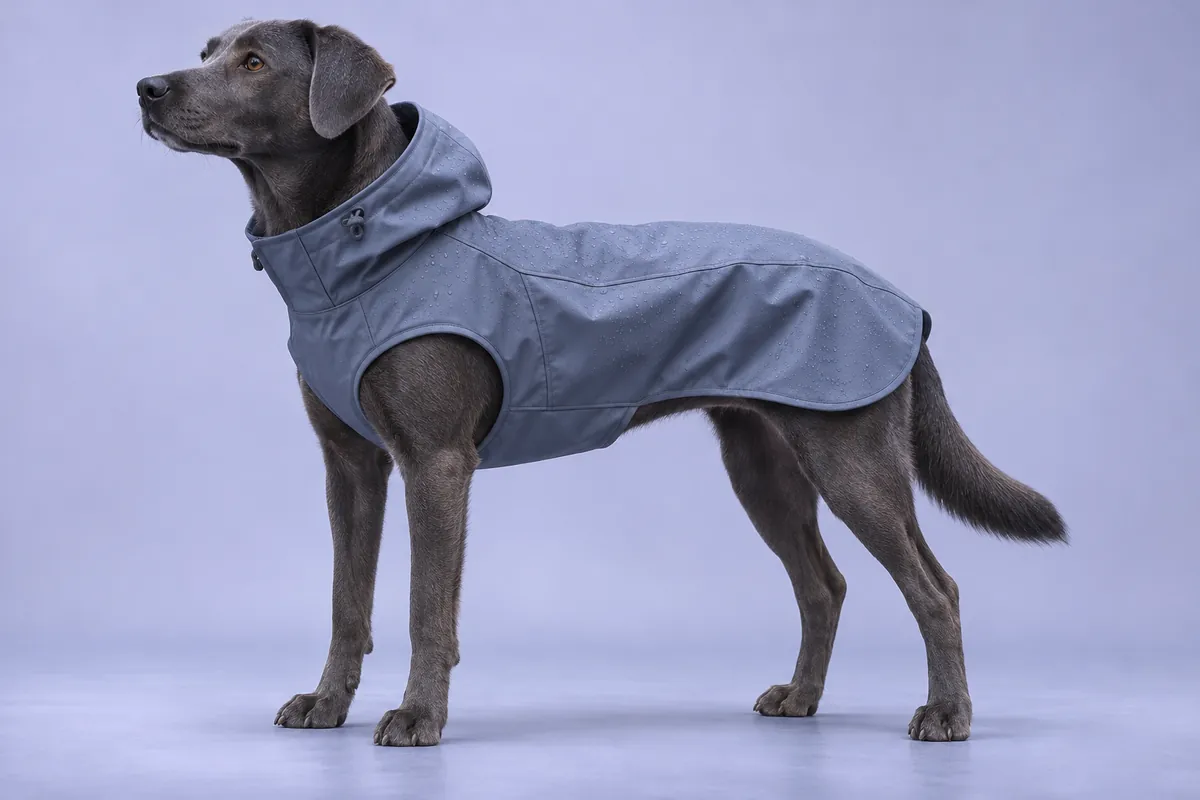
“We need a premium dog raincoat for autumn” leaves the supplier to guess the market, size range and rain protection claim. A quoteable version might request one shell silhouette, three planned sizes, a lead opening for a harness worn underneath and a sample showing how the opening closes when no lead is attached. Include the target selling window and separate it from the date by which the first sample must be reviewed.
Attach a measurement sketch with a revision number and put estimated units by size in the same file. If shell weight is still open, ask for two options and the expected trade-offs in drape, drying and pack size. Ask the supplier to mark the assumptions behind each price. That creates something your buying, product and packaging teams can approve together.
- One versioned brief, not scattered chat attachments.
- Required details and options clearly separated.
- Decision date, target units and intended use in the same file.
General product-development guidance. Confirm the selected construction, test scope and destination-market requirements for your project.
Editorial policy