Rovelanto
OEM, ODM or private label: which route fits?
Compare three pet-product development routes by design ownership, sample work, customization and approval responsibility.
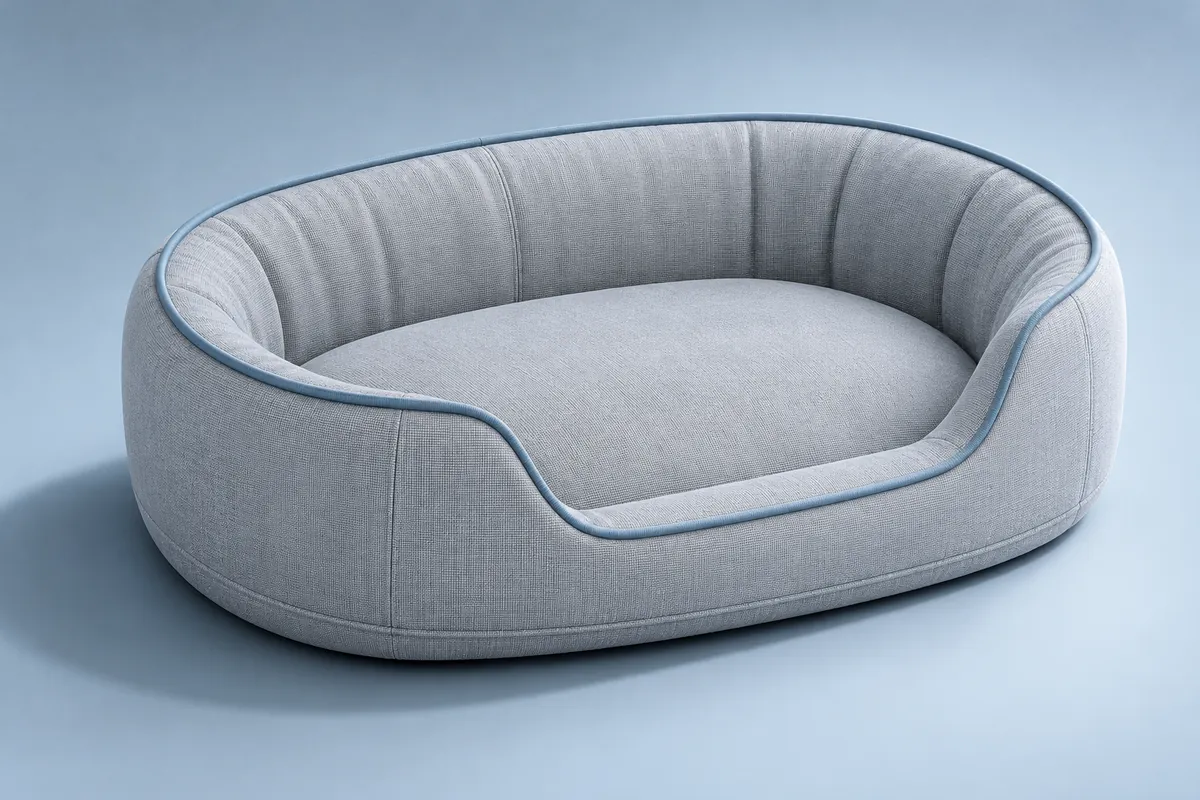
 Illustrative collection concept
Choose by the development work required, then document deliverables and approval responsibilities.
Start with what already exists
The right route depends on the information you can provide and how much of the design is already fixed. A logo applied to an existing style is a different project from a new pattern, a new insert system or a new molded component. Describe the changes first, then agree the commercial label. Suppliers may use OEM and ODM differently, so the written scope matters more than the abbreviation.
Compare the actual scope
Use the same product brief to compare development responsibility. Ask which drawings, patterns, tools and artwork are supplied by each party. Make the approved specification and any exclusions part of the quotation.
| Route | Typical starting point | Confirm before sampling |
|---|---|---|
| Private label | Existing construction; brand and pack changes | Available materials, logo method, color splits |
| OEM | Buyer-owned specification or pattern | Tolerances, design ownership, permitted alternatives |
| ODM | Collaborative design development | Development deliverables, revision scope, tooling rights |
Why the route changes the sample plan
An unchanged structure may need a branding proof and material confirmation. A new pattern needs a fit sample and size grading. A new insert system needs assembly, care and packing review. Separate appearance approval from construction approval so a correct color does not hide an unresolved functional issue.
- List the existing elements and the requested changes.
- Name who approves patterns, material substitutions and packaging.
- Agree the cost and purpose of each sample round.
- Record ownership of patterns, artwork and any paid tooling.
Request a quote that states its assumptions
Ask for a line-item quote showing the selected build, quantity, color splits, packaging, sample charges and trade terms. If an option is not available, request a proposed alternative with its consequences. A quote based on undefined materials cannot be compared fairly with a fully specified quote.
Keep approval separate from an idea
A reference photo communicates a direction; it does not define dimensions, hidden construction or the right to reproduce a design. Share buyer-owned drawings where possible, review intellectual-property questions and ask for a specification that can be measured. The final sample and its revision record should explain exactly what was accepted.
A three-quote example
Suppose a retailer wants a bed with its own woven label, a removable cover and an opening in a new position. One quote assumes an existing shell with only a label change. Another includes a revised pattern, a new fit sample and a different zipper. A third offers a custom cover but asks the buyer to supply a drawing for the insert. Those are three different project scopes, even if all three suppliers call the offer private label.
Compare them by rewriting the offers into one brief. Put the opening position, insert fit and label attachment in the required column. Ask each supplier to say which tools or patterns already exist, who owns the new drawing and which version will be returned for approval. If an option cannot satisfy the required opening without another sample round, put that round in the schedule before choosing the quote.
- Existing pattern or new pattern?
- Who approves and controls drawings?
- What work is excluded from the quoted sample?
General product-development guidance. Confirm the selected construction, test scope and destination-market requirements for your project.
Editorial policy