 Rovelanto
Reviewing pilling on a fleece dog-jacket sample
Compare fleece appearance at contact areas using matched samples, repeatable photos and recorded handling and care checks.
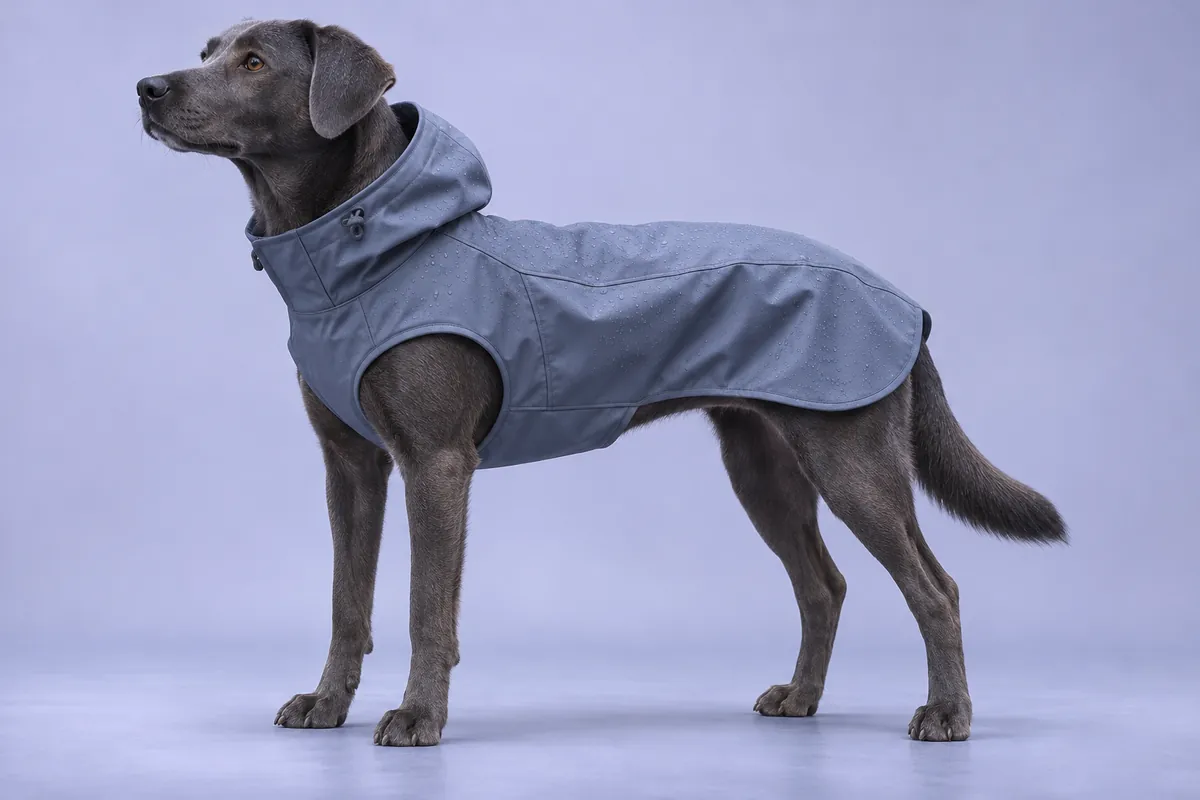 Illustrative collection concept
Compare fleece at the same contact points before and after planned care. Use a qualified lab for formal performance evidence.
Locate contact areas on the finished garment
A promising fleece swatch may look different once it becomes a jacket. Review a finished sample and mark where fabric contacts itself, a harness strap or a fastening during intended use. Note whether the design includes a seam, binding or another material at each point. Ask the supplier to identify exactly which fleece is present, which side faces out and whether the construction matches the proposed order. A swatch can help compare alternatives, while the garment tells you where to look.
Agree what appearance change would be unacceptable. A merchandising team may be concerned about a conspicuous change on a dark chest panel, while a technical reviewer may also need to distinguish fibre balls from wear, snagging or loose threads.
Photograph a control and keep samples matched
Use the same lighting, distance and angle for each sample. Take an overall photograph, then photograph each contact point beside an untouched area of the same garment. Keep a control sample or retained swatch in its original condition. For buyer screening, document any controlled handling you use, including contact material, repetitions and sequence. Use the same approach for all alternatives. Keep this screening separate from a formal test or performance rating.
| Zone | Check the sample for | Compare against |
|---|---|---|
| Harness path | Local surface change along strap contact | Same garment outside the contact area |
| Underarm | Fibre balls, loose threads or seam friction | Matched garment in another fleece option |
| Closure edge | Snagging or surface change near hardware | Original close-up and retained control |
Check again after the proposed care process
Repeat photos after the planned care cycle and drying method. Pay attention to the difference between widespread surface change and a narrow band along a seam. If two fleece alternatives look comparable over the back but one develops a rough stripe beside a binding, review that construction detail before rejecting the fleece as a whole. Ask whether the binding or seam orientation can change. Review a fresh sample if the supplier makes a revision, and use the same handling and care conditions to compare it.
Choose a decision and record its limits
Approve the material for further development, request a construction adjustment or commission formal testing if a buyer needs a specified rating. Write the decision beside the fabric reference and sample revision. If a lab result is required, agree the method and acceptance threshold with the technical team rather than converting a photo comparison into a grade. Carry the decision into the order record so a colour or mill substitution triggers a fresh review where needed. Retain one representative sample and the comparable photos for production approval. This gives a later reviewer a usable reference even if they did not attend the original meeting.
General product-development guidance. Confirm the selected construction, test scope and destination-market requirements for your project.
Editorial policy