Rovelanto
How to approve colour across pet textiles
Set physical colour references, review mixed materials together and carry the approved result into production records.
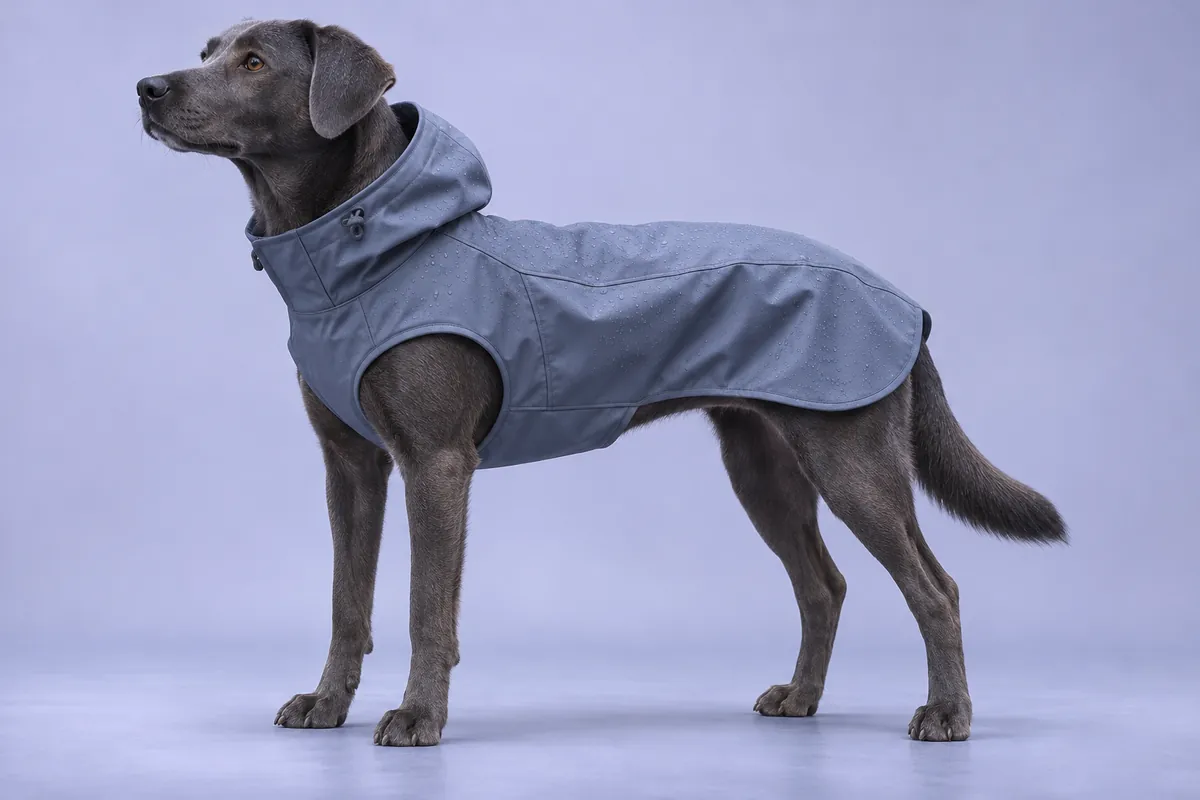 Illustrative collection concept
Approve each material against a retained reference and review assembled combinations under agreed viewing conditions.
Define the colour relationship first
When a range includes fleece, binding and a woven tag, “match the blue” can mean different things. Decide which parts need to appear closely matched and which should have deliberate tonal contrast. Label each component in the brief and state which material is the primary reference. Use a physical reference where possible. A monitor image is useful for communicating direction, but it does not control display settings, fabric texture or the light under which a reviewer sees a sample.
Ask for submissions on intended materials. If a supplier uses a temporary substrate or offers a nearby stock colour, record that distinction and decide whether the substitution answers the current question. Give each submission its own identifier.
Compare individual pieces and the assembled product
Review the approved reference and samples under agreed viewing conditions. Keep them oriented consistently and label them on the reverse so labels do not interfere with the reviewed area. Assemble colours in their intended proportions before final approval. Narrow binding can read differently next to a large fleece panel than it does as a separate square. Record what was accepted, where contrast is intentional and whether any element was approved conditionally. Keep identification photographs beside the physical references rather than treating the photographs as a replacement for them.
| Review stage | Record in the approval file |
|---|---|
| Initial submissions | Material references, sample IDs and colour targets |
| Pairing review | Agreed viewing conditions and acceptable relationships |
| Finished sample | Component placement and identification photo |
| Production reference | Retained approved swatches and revision date |
Diagnose a mismatch before changing the palette
Consider a fleece jacket that looks consistent in the first review light, but whose binding appears noticeably darker in a second agreed light. Record where the change occurs rather than sending a general “wrong blue” comment. Compare the pieces separately and assembled, then ask whether the binding or body can be resubmitted. If the contrast is acceptable, document the relationship so future reviewers do not infer it from a photo. When the buyer requires an instrumental tolerance, ask the technical team to specify the method and viewing conditions.
Keep production review anchored to the accepted version
Store approved material references, submissions and finished sample together. Ask for review of a new lot, substitution or reorder sample when the approval scope calls for it. If the new material must coordinate with an existing retail range, compare the two physically before finalizing artwork or product photography. Make the responsible reviewer and sign-off point clear in the order record. In a multi-colour order, list the approved pairs individually so a correction to one binding colour cannot be mistaken for approval to change the whole range.
- For trims used across multiple products, record the specific trim supplier and reference so each purchase uses the approved combination.
General product-development guidance. Confirm the selected construction, test scope and destination-market requirements for your project.
Editorial policy