 Rovelanto
Pet-bed compression and carton planning
Review packing recovery, retail presentation and measured carton data before choosing vacuum compression for pet beds.
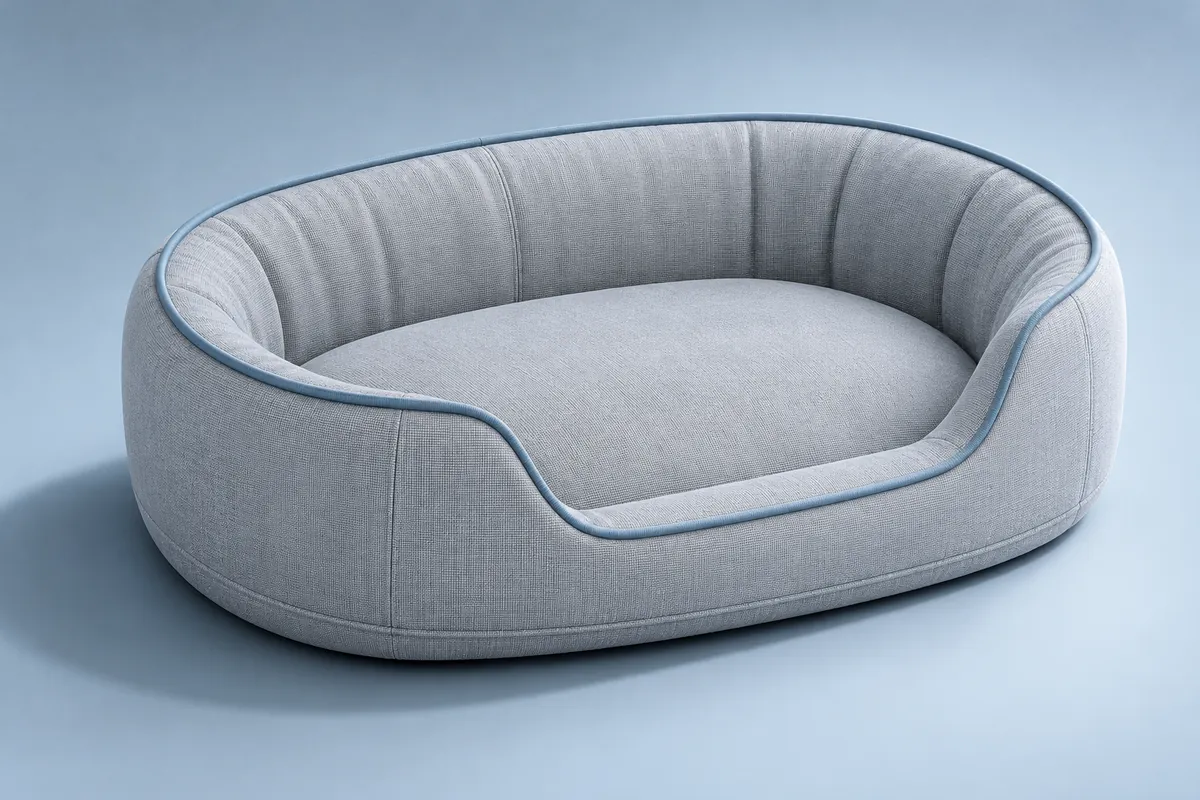 Illustrative collection concept
Use measured packing and recovery evidence before changing the shipping specification.
Compression starts with the product
A smaller carton can be valuable, but compression changes what happens to the cover, filling and unboxing experience. Test the actual construction with the actual packing method. Do not assume a result from a different foam grade or fill weight transfers to the selected bed.
Record the packing method
Note bag dimensions, sealing method, compression process and storage conditions used for the trial. Label the sample so the recovery observations can be linked to the specific product and process. A photograph of a compact pack is not a complete packing specification.
| Record | Purpose |
|---|---|
| Unit dimensions before packing | Baseline for recovery |
| Packed dimensions and weight | Freight and carton calculation |
| Storage and opening conditions | Context for trial observations |
| Recovery observations | Shape, cover fit and insert condition |
| Retail pack and instructions | Unboxing and care communication |
Separate recovery from presentation
The insert may regain shape while the cover remains creased, or the outer bolster may recover differently from the cushion. Inspect components separately and together. Agree what appearance is acceptable at the time the buyer expects the product to be displayed.
Calculate carton capacity from a packing sample
Use measured length, width and height for the final pack, not a design estimate. Calculate carton volume in cubic metres as length × width × height in metres. Unit count alone does not describe freight cost: gross weight, carton strength and carrier-specific charging rules also matter.
- Check units per carton with the final retail packaging.
- Record net and gross weight separately.
- Review barcode visibility and carton markings.
- Avoid shipping savings claims before a route quote.
Keep an uncompressed alternative
For products with uncertain recovery or demanding retail presentation, compare a less compressed pack. A slightly larger carton may reduce handling or returns. Choose using the full commercial outcome, not only the smallest possible volume.
Separate freight savings from product acceptance
Say an uncompressed master carton measures 60 × 40 × 50 cm and a trial compressed carton measures 60 × 40 × 35 cm. Their outside volumes are 0.120 m³ and 0.084 m³ respectively. That is a 30% decrease in carton volume in this example, but it does not predict a 30% freight saving. Billing rules, gross weight, pallet layout and the number of saleable pieces in each carton still matter.
Pair the carton calculation with a recovery record for the approved product. Open both the trial and the uncompressed comparison sample after the same planned storage interval. Photograph surface creases, seam shape and cushion fit at agreed times. If the compressed unit takes longer to present well than the sales channel can support, treat that as an open decision rather than reporting volume reduction as approval.
- Record gross weight and count per carton.
- Review the assembly after a realistic packed interval.
- Compare saleable delivered units before estimating savings.
General product-development guidance. Confirm the selected construction, test scope and destination-market requirements for your project.
Editorial policy